



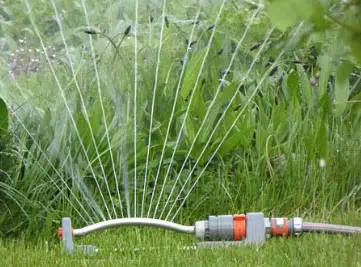
Lincoln Transportation and Utilities is preparing for a hot and dry spring and summer. They are encouraging residents to start water conservation efforts now.
LTU reports the city’s water supply comes from wells on the Platte River. Warmer temperatures and below normal precipitation is expected through June. The Lower Platte River Drought Consortium is working with a number of utilities, natural resource districts, and the state to sustain public water supplies in the lower Platte river basin.
Lincoln Water System Superintendent Steve Owen said Lincoln Water System monitors weather and water conditions year-round and follows its Water Management Plan when the city experiences hot and dry conditions. On a hot summer day, residents will use more than 50% of Lincoln’s daily water supply to irrigate grass and other landscape plantings. Much of this water is wasted through over watering, evaporation, irrigation system leaks, and poorly maintained systems.
“Lincoln Water System is equipped to manage the lack of moisture forecasted this summer, but customers can also make a significant positive contribution when it comes to conserving water,” Owen said. “One way residents can do their part, is by taking their sprinkler systems off the automatic function, and instead become more invested in their lawn’s daily maintenance by turning the sprinklers on only when needed, which can be as little as once or twice per week.”
Other water conservation methods include:
Water during early morning hours to avoid water evaporation.
Avoid watering on hot or windy days to reduce evaporation.
When mowing, remove only one-third of the grass height at one time. When grass is cut too close to the root system, the system must grow deeper, which requires more water.
Minimize or stop fertilization in the spring. Heavily fertilized lawns require more water and are more susceptible to drought conditions. Fall fertilization is the most beneficial.
Aerate the lawn to encourage healthy grass root growth and allow water to soak deep into the ground.
Mulch grass clippings to retain soil moisture and reduce the need for fertilizer.
Monitor soil moisture using a shovel or measuring probe.
Sharpen mower blades. Dull blades injure the grass, requiring more water for the grass to heal.
Use a rain barrel to collect water for landscape watering.
Reduce the amount of area needing irrigation by investing in a sustainable rock garden.
The last time the City implemented mandatory water restrictions was in 2012, when a lack of rainfall led to historically low Platte River flows. In 2019, the City requested residents voluntarily reduce water use following flood damage to the City well fields on the Platte River.
For more information on water conservation and on the Lincoln Water System Water Management Plan, visit water.lincoln.ne.gov.