


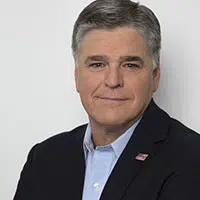
Good Government Lincoln spokesman Tony Fulton says he is pleased that several proposed amendments to the Lincoln City Charter will go before voters, arguing the measures would increase voter participation, save money and give residents a greater say in local government.
Fulton spoke after Lincoln City Council Chair Brodey Weber challenged supporters of the charter amendments to participate in a public debate about the proposals ahead of the election. Fulton told KLIN News he has not given the debate offer much consideration.
“I don’t know what there is to debate. The issues are out there,” Fulton said “That’s ultimately what my goal was, was to get this on the ballot for people.” Fulton added that his time is limited and he has not made a decision about whether to accept Weber’s challenge.
Fulton believes term limits will be popular with voters, pointing to repeated public support for the concept. He said his own position on the issue has evolved over time and that he ultimately accepted being term-limited rather than fighting the restriction.
“I just recognize that over and over and over this gets in front of the people and they support term limits,” Fulton said. He also says he has heard from residents about proposals to align Lincoln’s local elections and change the city’s extraterritorial jurisdiction, which governs certain city powers and regulations beyond its corporate boundaries.
Fulton described public opinion on the ETJ proposal as more divided than on term limits or election alignment. Based on the feedback he has received, he estimated opinion could be split 50-50 or 60-40.
He said the uncertainty is part of the democratic process and emphasized that residents now have an opportunity to weigh in directly. “More than anything they’re glad to be able to have a voice on these things,” Fulton told KLIN News.
One of the key differences between Good Government Lincoln’s proposals and an alternative advanced by city officials involves when changes to the city’s election schedule would take effect. Fulton said Good Government Lincoln’s original election-alignment proposal, identified as ballot Question 2, is intended to save money and increase voter turnout.
Under Good Government Lincoln’s approach, the changes would take effect in 2028, a presidential election year when voter turnout is generally higher. Fulton noted that the mayoral election would also take place that year.
He said holding more local elections during presidential election years would give residents a greater opportunity to participate in choosing city leaders. “The reason why we did this again is to save some money and to increase voter turnout,” Fulton said. “And so it seems to me that if we want those things, then we should want them right away.”