



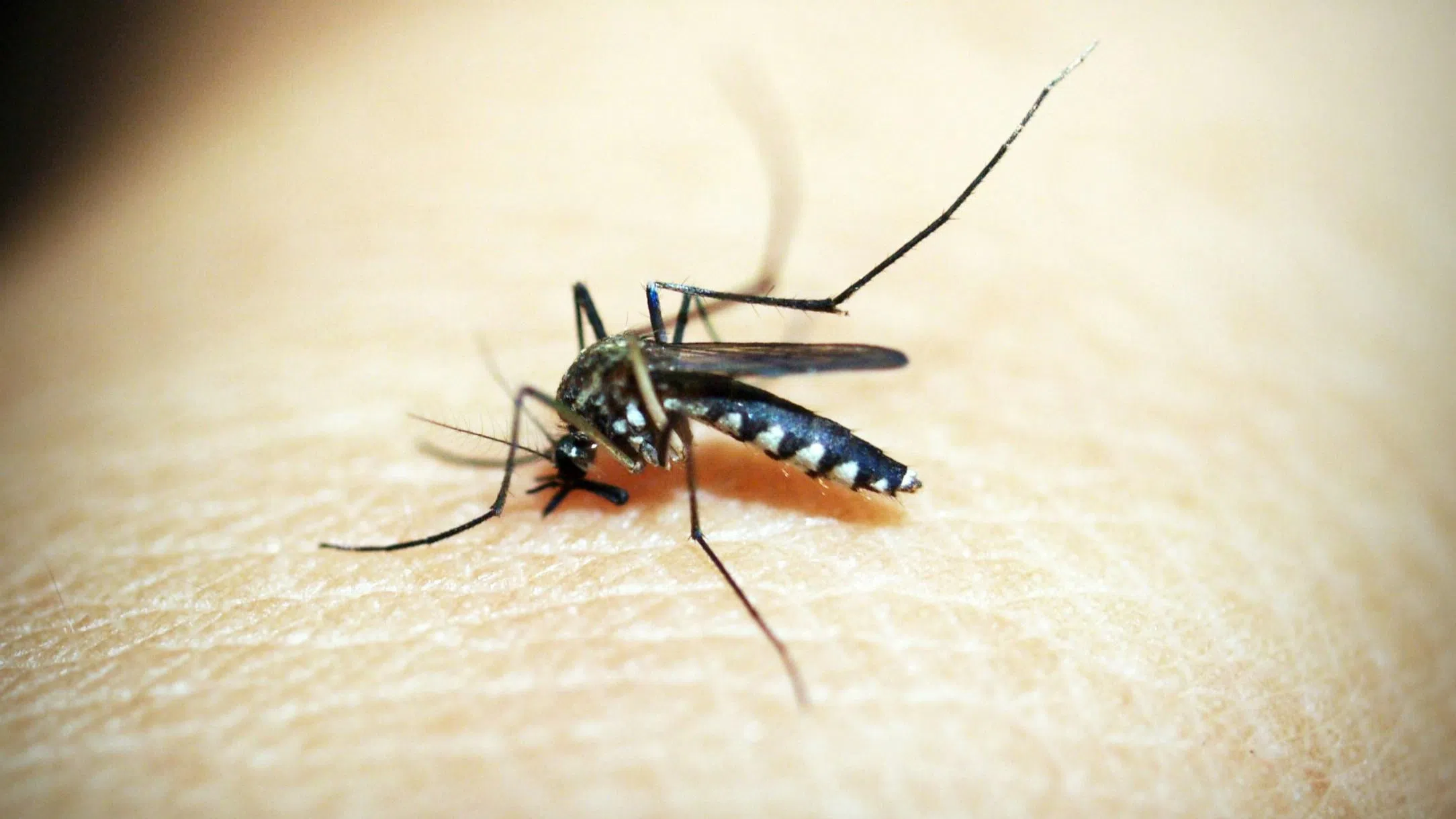
The Lincoln-Lancaster County Health Department is reporting human cases of West Nile virus in Lancaster County. Mosquitoes have also tested positive for West Nile virus and other mosquito-related viruses locally.
“WNV is primarily spread to people through the bite of an infected mosquito,” says Environmental Health Supervisor Chris Schroeder. “It’s important to keep using your bug spray and taking other basic steps to prevent mosquito bites until we experience the first frost.”
Schroeder says the highest risk for West Nile virus occurs during mid- to late summer. Residents are encouraged to use an EPA-registered insect repellent when spending time outdoors, limit outdoor activities around dusk and dawn when mosquitoes are most active, and wear long sleeves, pants, shoes and socks when possible.
Most people infected with West Nile virus do not develop symptoms. About one in five develop a fever and other symptoms, including headache, body aches, joint pain, vomiting, diarrhea or a rash. Less than one percent of infected people develop serious illness such as encephalitis or meningitis.
The Health Department also urges residents to eliminate standing water around their homes. That includes emptying small pools daily, changing birdbath water weekly and pet bowl water daily, storing tires and containers where they can’t collect water, clearing debris from drainage areas, and maintaining ponds and fountains so water continues to flow.
Residents with questions about West Nile virus, mosquito control or standing water, or who want to report a mosquito breeding site, can contact LLCHD at 402-441-8002.