




As southeastern Nebraska enters spring burning season, the Lincoln-Lancaster County Health Department is reminding residents to pay attention to the air quality in the area over the next 8-10 weeks.
LLCHD officials say smoke from controlled burning across the southern and central U.S. Great Plains may cause periods of poor air quality in Lincoln and Lancaster County. Springtime winds combined with ongoing dry conditions in most of Nebraska and large portions of Kansas, Oklahoma and Texas may increase the risk of wildfires.
When smoke is likely to cause poor air quality, LLCHD says an air quality alert or advisory will be issued.
Breathing smoke can cause asthma attacks, worsen chronic bronchitis and emphysema, and cause problems for some people with heart disease. People at risk should watch for symptoms such as coughing, shortness of breath, fatigue, irregular heartbeat, or chest pain. Those who experience these symptoms should contact a medical care provider.
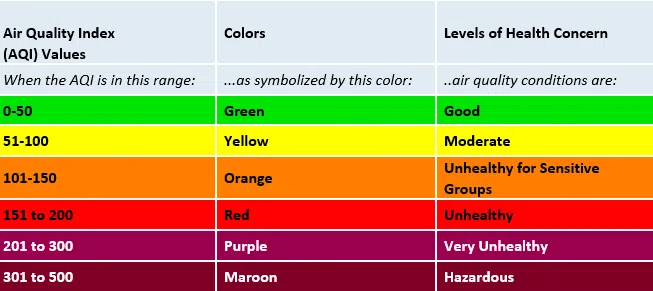
LLCHD performs constant air quality tracking and reports it using the Air Quality Index (AQI), which is color-coded as follows:
- Green and Yellow (AQI is 0-100) – Air quality is safe for almost everyone.
- Orange (AQI is 101-150) – Air quality is unhealthy for people with higher sensitivity to air pollution, such as children, older adults, and those with asthma, lung disease, or other heart and lung conditions. When the AQI is orange, people in these groups should spend less time outdoors, avoid extended heavy work and exercise and take more breaks. People with asthma should follow their asthma action plans and have quick-relief medicine ready.
- Red, Purple, and Maroon (AQI is 150+) – Air quality is unhealthy for everyone. Everyone should reduce the amount of time spent outdoors. Outdoor activities should be limited, moved indoors or rescheduled. Children, older adults, and those with asthma, lung disease, or other heart and lung conditions should avoid heavy work and exercise outdoors.
When air quality is poor, those at risk can further protect their health by keeping windows and doors closed, using an air purifier with HEPA filter, and using the recirculate setting when using a vehicle’s heater or air conditioner.
Smoke levels can change with the weather, the number of fires and with how much smoke the fires create. Check the U.S. Environmental Protection Agency’s (EPA) Fire and Smoke Map fire.airnow.gov for up-to-date air quality and helpful tips.