



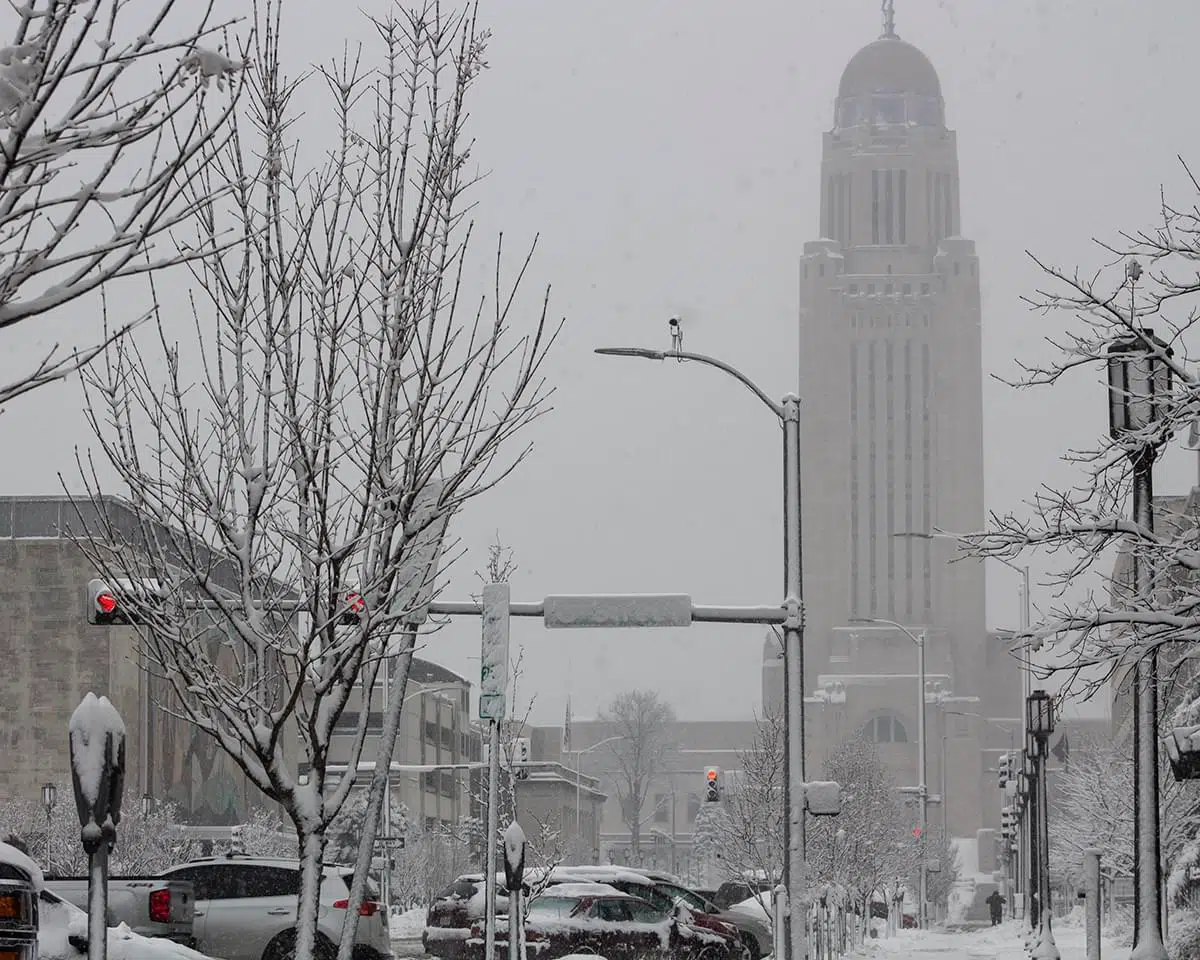
Nebraska’s only dedicated burn trauma unit is bracing for an increase in frostbite patients as snow and temperatures are expected to descend in the area over the weekend.
Eric Jensen, the burn and trauma program coordinator at CHI Health St. Elizabeth in Lincoln, told reporters Thursday that he’s seen three frostbit patients so far in 2026. He expects that number to jump over the next few days.
While ironic, burn units are often best equipped to treat frostbite cases. This is because injuries stemming by extreme heat or extreme cold often result in similar tissue damage, including compromised blood flow, potential tissue death, and the need for specialized wound care. Frostbite can occur in minutes, especially during extremely cold temperatures and windy conditions.
“The phenomenon of frostbite is when tiny ice crystals begin to form within your skin tissue, which then creates little clots in the tissue, causing the tissue to really die over time,” Jensen described. “So, simply, the more time you’re out, the greater risk that you have for that exposure to the frostbite injury.”
Initial symptoms of frostbite might include:
- Stinging or cold sensation to the extremities of the face
- As that cold sets in, a deeper pain sensation.
- More pain when warming up
- Redness of skin, almost resembling a superficial burn injury
- Blistering, possibly filing with blood
“It’s really, really important if you see any blistering occur from a frostbite or cold injury, you protect that injury and get seen by a medical professional right away,” said Jensen. “Certainly you can start out with your generic urgent care. You can reach out to the hospital and see if you can be seen in a burn center at one of our clinic appointment times. But the first thing you need to do is get yourself warm.”
Jensen urges residents to dress to stay warm, “wearing those hats, scarves, all those things that our mom told us to do.” He also encourages residents to check on neighbors, especially the elderly. Prepare an emergency car kit with blankets, ways to charge your cell phone, non perishable food and water, etc. Make sure you don’t get wet. Anytime anything gets wet, that increases cold exposure, reduces core body temperature and then increases risk for more prospect to the tissue.
If you become stranded, you can call the Nebraska State Patrol Highway Helpline at *55 or (800) 525-5555 for assistance.