



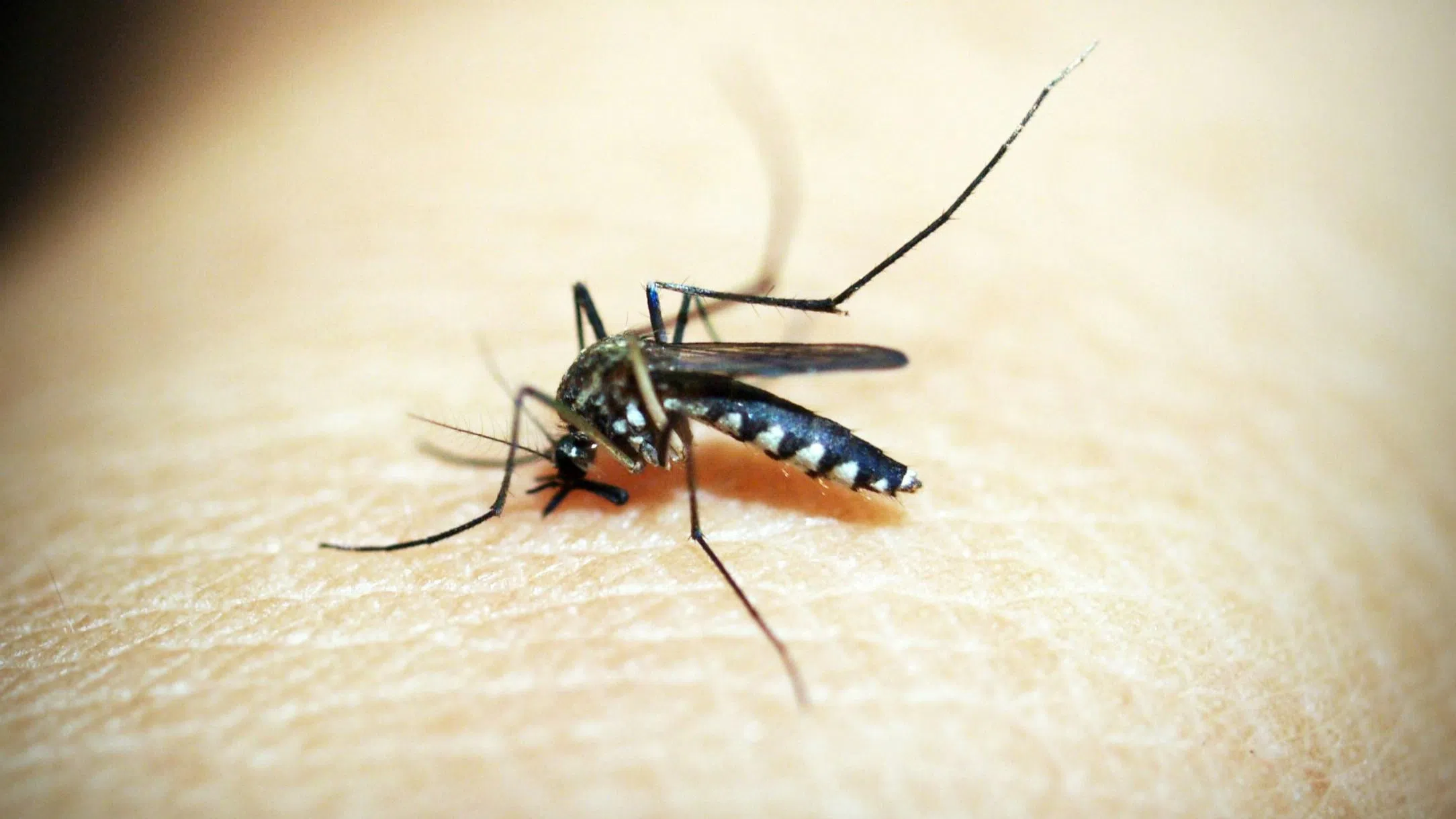
The Lincoln-Lancaster County Health Department on Monday reported the first human case of West Nile virus so far this season. Department officials say mosquitoes have also tested positive for the virus and are urging residents to continue to take precautions against the virus.
“Even though we’ve had some cooler weather and we’re getting closer to fall, we’re still in the height of WNV season and there is potential for more human cases,” says Chris Schroeder, Environmental Health Supervisor. “It’s important to keep using your bug spray and taking other basic steps to protect against mosquitoes until we experience that first frost.”
West Nile is primarily spread to people through the bite of an infected mosquito with the highest risk occurring in mid to late summer. Schroeder says residents can prevent mosquito bites by taking these precautions:
- Use an EPA-registered insect repellent when spending time outside such as those with DEET, picaridin, IR3535, oil of lemon eucalyptus, para-menthane-diol, or 2-undecanone. Visit epa.gov/insect-repellents for more information.
- Limit time outdoors at dusk and dawn when mosquitoes are most active.
- Wear long-sleeved shirts, pants, shoes, and socks when outside.
Schroeder says most people who become infected with WNV do not feel sick. About one in five will develop a fever with other symptoms such as headache, body aches, joint pains, vomiting, diarrhea or rash. Less than 1% of people infected will develop a serious illness like encephalitis or meningitis.
In an effort to reduce mosquitoes in and around homes, the health department advises residents to dump small wading pools daily and maintain swimming pools properly. clear debris, weeds, and litter from drainage ways and change water in birdbaths weekly and pet bowls daily.
For questions about WNV, mosquito control, and standing water or to file mosquito breeding site complaints, contact LLCHD at 402-441-8002.