



The Lincoln Lancaster County Health Department urges residents to take precautions during West Nile virus season.
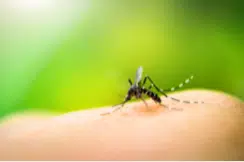
West Nile is spread by the bite of mosquitoes. The insects in Hall County tested positive recently. There have been no identified mosquitoes yet in Lancaster County this season but residents are reminded that the risk of transmission is highest in mid to late summer.
The Health Department says the the best prevention is to reduce mosquito breeding areas.
Dump small wading pools daily and maintain swimming pools properly.
Clear debris, weeds, and litter from drainage ways.
Change water in birdbaths weekly and pet bowls daily.
Store tires, buckets, and containers where they can’t collect water.
Fill low spots in yards.
Maintain garden ponds and fountains and always keep water flowing.
Residents can also avoid mosquito bites by limiting time outdoors at dusk and dawn. That is when mosquitoes are most active. Wear long sleeved shirts, pants, shoes and socks when outside. Also, use an EPA registered insect repellent with DEET when spending time outside. Other options include repellent with picaridin, IR3535, oil of lemon eucalyptus, para-menthane diol, or 2-undecanone.
Most people infected people develop no symptoms. About one-in-five will develop a fever, headache, body aches, joint pains, vomiting, diarrhea, or rash. Fatigue and weakness can last for weeks or months. Less than 1% of people infected will develop a serious illness like encephalitis or meningitis.
There is also a risk of becoming ill from ticks. Mid to late summer is also the peak season for tick-borne diseases in Nebraska. The Centers for Disease Control and Prevention recommend taking these measures to prevent tick bites:
Use EPA-registered insect repellents listed above.
Treat dogs and cats for ticks per veterinarian recommendations.
Check yourself for ticks, especially if you have been outdoors. Make sure to check in and around hair, under the arms, inside the belly button, on the back of knees, between the legs and around the waist. Shower soon after being outdoors.
If you do find yourself with an embedded tick, removal is easy and can be done without seeking medical attention. To remove a tick:
Use fine-tipped tweezers to grasp the tick as close to the skin’s surface as possible. The key is to remove the tick as soon as possible. Avoid folklore remedies such as using nail polish, petroleum jelly, or heat to make the tick detach from the skin.
Pull upward with steady, even pressure. Don’t twist or jerk the tick; this can cause the mouth-parts to break off and remain in the skin. If this happens, remove the mouth-parts with clean tweezers. If you can’t remove the mouth parts easily, leave them alone and let the skin heal.
After removing the tick, thoroughly clean the bite area and your hands with rubbing alcohol, an iodine scrub, or soap and water.
For questions about West Nile virus, ticks, mosquito control, and standing water or to file mosquito breeding site complaints, contact LLCHD at 402-441-8002.